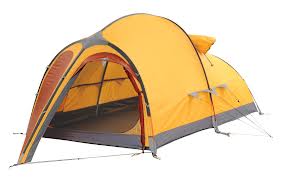
Showing posts with label tents. Show all posts

Saturday, February 1, 2020

Best Tent for Outdoor Living on the Beach

Why Mountain Hardwear's Optic 2.5 is the New Room with a View

for Travelers to the Coastal Islands


Got permit? Heading to the beach? Don't have (too) far to walk in? Here's a spacious tent with spectacular views that will keep the bugs out and stand up to monsoon rains and winter winds.


Location, location, location
Mountain Hardwear's Optic 2.5


Six years later, I found this tent on deep discount. I'll test it out soon on South Carolina's Edisto Island.


The camping season is pretty short on our coastal islands, between the bugs, the heat, and the storms. Lightweight mesh tents made for the tropics or summer backpacking aren't always burly enough for what a MidAtlantic winter can throw at you.

Walk in, Limp Out

Ever noticed that beach camping permits at pristine locations are getting harder to come by? The best sites are usually the ones you have to walk the farthest to get to. Sometimes you can make a dozen trips back and froth from your car. Sometimes not so much.

Plus, base camp on the beach (or in the desert in winter) is where you want to bring your toys, relax, take it all in, and wallow in your luxuries. 

The Optic 2.5 is the answer for solo trips with reasonable walk-ins, or +1 trips where you don't want to spend half a day setting up your master suite. That's cuz you'll also have to spend half a day taking it down.

If you've ever schlepped your mobile oasis from the dock to Sea Camp on Cumberland Island, a distance that seemed super short on the map before you dismbarked the ferry, you probably remember  how it felt twice as heavy schelpping the same gear back to the ferry.

The view from Sea Camp on Cumberland Island


At around six pounds, this roomy two person, three season tents isn't light. But it cuts the weight of your family camping tent setup by at least twenty pounds, probably more. Dude: that's the weight of a great cooler!

Why it's Cool

You're already read about my favorite tent for two, so far. Mountain Hardwear has upped the ante with the Optic 2.5. 

  • First, it's got all mesh walls, so it's cooler by definition. The ventilation is highly adjustable on two sides. If you pitch it abeam to the prevailing winds, you should always have a cross breeze. Plus it's blue. Blue is cooler.

  • Second, there's more room inside. The rectangular footprint offering 37 square feet of living space is bigger than some in its class, not as great as others, but this is a tall tent with steep walls that deliver great livability. Kindergartners will love being able to change clothes standing up. But for the rest of us who are tall enough to ride a roller coaster, we still won't feel claustrophobic moving around in the Optic 2.5, whether sorting gear, changing clothes, sitting out a storm, sheltering from the skeeters, or cooking in the rain. The storage is great. Six pockets (baseboards, wall and ceiling) are well-placed to keep the gear of two people well organized and out of your living space.

  • Third, it's bomber. More than half the weight of this tent is in the fly. When battened down, you feel like you're in a mountain tent. The two-way zippers are fully covered, and the zipper flaps stick closed. Every stress point is double-tacked. The bathtub floor is tough and seam-taped. My ultralight Nemo tent sags a bit in strong gusts and doesn't offer the protection of a rainfly with full coverage. I'll save that for summer camping on the beach. In a big storm, I'll be grateful for the Optic's extra dry storage, compared to my Big Agnes Copperlight Spur. 

  • Finally, it's got two doors. Critical! Solo campers will appreciate having a front and back door. No more stepping over your pack at night to answer the call of nature. Buddies and mates will like being able to get in and out without disturbing their partner. And two doors means two vestibules. Vestibules = closets that keep your stuff dry and kep wet stuff out of your bedroom.

Why it's Amazing

It's the doors that set this tent apart from all others. Instead of being on opposite sides, the doors are adjacent.

Next Doors

That's right, this tent has next doors. And that makes for better next door neighbors. Tying back both flies lets you wake up to a 180* panoramic view without getting your gear wet. And you don't have to close the curtains all the way to have 270* privacy plus a view.


Sand lover. Best in the desert and on the beach.


Go to sleep in the flicker of the campfire...
but still in your own private Idaho

Why it's Not for Every Day

The Travel + Leisure-worthy design comes with a price for some cold & wet weather campers. As with all tents that have mesh ceilings, condensation on the tent fly is likely to drip down on sleepers. The Optic's trouble is cross ventilation. It can only be achieved at the foot end of the tent. On nights with wide temperature swings below 50* or high humidity, you'd need to sleep with your head by the doors to avoid problems that tents with fabric ceilings are designed to minimize.

This isn't a tent for the Pacific Northwest, or winters in the Midwest or New England.

The Optic 2.5 will now be my go-to, backcountry home on two kinds of weekend or week-long trips. It shines in dry climates under high winds, like on trips to the American Southwest or Death Valley in winter and spring. And I'll use it on winter trips to the coastal islands, where it doesn't get too cold at night, and where the wind is usually steady and predictable.

In any case, I'll try to remember to bring a clean pack towel for wiping down the condensation.


What are you waiting for?
Get out there!


Tuesday, April 18, 2017

New Rule on Ultralight Tents


New rule: don't stuff your ultralight tents any more. You've got to fold 'em or roll 'em. 

I've come to this conclusion after a few seasons of endless tent repair on my BD Hilight, a single wall.

Dainty ultralights (made from fabrics lighter than 10 denier) have their appeal, but toughness isn't one of them. The micro holes seem to be caused by abrasion inside the pack. This is being confirmed all over the web by other ultralight tent testers. And it's something that none of us can fully prevent.

It spells good news, though, for pricey footprint sales. Buy one for all your ultralights, then wrap them up inside like burritos for travel. You've got a backup in your tent floor, after all, in case the footprint tears on a rock or a root.

Don't be wet. Just buy a footprint.

This season I'm comparing two double-wall 2P tents with double doors: the Copper Spur UL from Big Agnes and the Nemo Hornet. I'll let you know how it goes.

Tuesday, August 20, 2013

How many tents do you need?

About a year ago, a motorcyclist returned from her maiden cross-country tour with stars in her eyes. She handed back the tent I’d loaned her (she’d kept it in pristine condition) and told me stories about the highlights of her trip.

The most wondrous nights, by far, were the ones she’d spent camping. The silence. The solitude. The color. The wide horizon. The pleasures of self-sufficiency. The freedom of the journey, wherever your road takes you.

She was hooked on the backcountry. She started peppering me with questions about trekking, backpacking, climbing, mountaineering, the lot. Finally she worked her way up to the big question, “How many tents do I need?”

That’s the same question my wife just asked me, with our checkbook in hand and a slightly different tone in her voice, after I replaced my old Garuda single-wall solo tent with a new Black Diamond HiLight.

The answer is five tents and a bivy sack, if outdoor adventure is your life’s calling. And if you climb big walls, you’ll need a portaledge—a tent that anchors you to a rock face.


Romantic portaledge
Epic portaledge
But let’s leave the portaledge for another post.


Five tents and a bivy bag

Build your inventory of tents over time, beginning with your most immediate need for shelter. The first couple of purchases may vary, but here’s the typical order: 


Two person, three season backpacking tent
Two-person tents come in lots of shapes and sizes


This is the tent you will be spending the most quality time in with another person, so don’t skimp here. Designed to split the weight between two people on backpacking trips, the best tents in this category are not the lightest. They weigh in at about 5-8 pounds. Double wall design gives you weather protection, breathability and ample vestibule storage for your gear so you can enjoy all the space inside. These tents should be strong and comfortable, with all the bells and whistles that make it a pleasure to sit out a storm in spring, summer or fall. Pay attention to details like:


  • Length, width and height: are you really comfortable? Can two people sit up and face one another? 
  • Wall color: is it soothing? Depressing?
    It's nice to be able to check
     the weather without having to
    leave your tent in a storm
  • Fabric and netting pattern on on the ceiling: will condensation roll off or drip onto your face? 
  • Big, wide doors: two are always better than one 
  • Ventilation pattern: can you visualize airflow from bottom to top and from one end of the tent to another? 
  • Fabric windows that cover the mosquito netting and roll back on hot nights
  • Skylights in the fly 
  • lots of handy storage pockets 
  • Fly that rolls back for stargazing and extra ventilation
  • and even gear lofts. 


Solo ultralight tent with vestibule
Mountain Hardware Sprite is my solo summer tent


This is the tent you take on solo treks and short trips in spring, summer and fall. You may even travel with this tent in your airline luggage, so there is no reason for excess weight or bulk. You will find a lot of variety in this category, so pare down your requirements to the features that are most important to you. Some people want a fee-standing tent at all costs. Some people want the shortest setup time. Others care most about a huge vestibule that keeps their gear dry for an early start, yet still has room to fire up the stove for breakfast from their sleeping bag. Some people need to be able to fully sit up. For others, maximum netting is required for summer trips.


Alpine tent: ultralight, single wall
Big, burly, expensive alpine tent that sleeps two


This is your climbing tent, your alpine tent, your “Long Way Round” moto touring tent that packs down small and weighs next to nothing, and the weight-shaving, single-wall design means that it will work best in dry climates or at altitude. It should be a palace for one but a tight squeeze for two people who may need to share body heat in winter. Cross-ventilation is a must.


Family camping tent
Go ahead--bring the kitchen sink


Your off-the-grid hotel room. The joy you’ll get from this tent is, fortunately, inversely proportional to its price. You don’t need to spend a fortune these days for great “car camping” tents that sleep four to six in a pinch (often with two rooms) and deliver luxury accommodation for two on trips where you don’t have to carry their 20-pound bulk to the campsite. Just don’t expect these tents to hold up well in heavy rain or against wind gusts of 25 mph or greater. Always stake them out completely, using guy lines to bolster stability. Look for:
Pockets: more is better

  • High ceilings: can you stand up inside? 
  • Width: will your big, honkin’ air mattress fit with room for you to walk around it? 
  • Two big doors 
  • Gigantic vestibules, front and back, where you can store gear and cook & eat meals in the rain if necessary. Always buy the vestibule, even if it costs extra. These tents are rarely waterproof without the vestibule. 
  • Double windows (netting and fabric) 
  • Roll-back fly for scenic views and “air conditioning” on clear days and nights 
  • Storage: lots of “closet space” and ceiling hooks for lighting and storage 


Winter tent 

Generally the last thing to add to your inventory, this is a 3-4 person tent made for winter camping. Great winter tents are expensive but definitely worth the money. Strength is important, both in the fabric and in the poles. A two-wall design will be heavier to carry but warmer at night, offering the added bonus of more vestibule space. The steep sidewalls are designed to shed snowfall. Make sure you can set up this tent wearing gloves. Make sure the stake loops are big enough for skis. Look for some or all of these extra features:

  • Retro reflective coating so that you can find your tent in a whiteout using a headlamp 
  • Cross-ventilation that lets you cook inside during a storm 
  • Trap door that covers a “sink” beneath the floor 
  • Two big doors that you can open easily with gloves on, and access on both sides of the vestibule 
  • Vestibules that shelter you while your putting on and taking off your boots 
  • Gear loft for drying socks, hats and gloves 


Bivy sack
This bivy sack lets you tie in
from your harness to an anchor


From the lightweight, heat-retaining safety blankets that go in your med kit to sophisticated waterproof/breathable bivy bags that will let you sleep on a ledge while tied in to an anchor, there is a broad array of emergency solo shelters. On my Appalachian Trail trek, I slept in a bivy bag every night to insulate my sleep system from the wet dog who shared my tent. My winter alpine rucksacks have bivy features built-in: foam pads, snow skirts and emergency whistles.

The main point here is that you should always plan for darkness and/or injury when traveling alone off the grid. Buy an affordable solo shelter that you can crawl into and zip up when injured, wet, lost and tired. Make sure it’s roomy enough for your fattest sleeping bag. The most important question to ask yourself about this purchase is: “Will I really carry this in my day pack?” It can’t save your life if it’s not in your rucksack.

Final words of wisdom when building up your tent inventory: Never buy a tent you haven’t set up and struck down yourself. Never buy a tent you don’t love. Proceed slowly, on the lookout for bargains and clearances. And always buy the footprint that goes with the tent—it protects the tent floor.

Time to start logging in some unforgettable nights out!


Monday, July 29, 2013

Summer Sales: Calendar this!

Spokane based Mountain Gear has a sweet sale going on in celebration of 30 years in business.

You still have until midnight tonight, August 1 2013, to snag a single wall Black Diamond Firstlight for under $230, or a HiLight for $280. This is one of the lightest, toughest one person mobile lounges around. It's a bit snug for two without the vestibule.

I just picked up a HiLight on sale, my first single wall tent since I gave my old Todd-Tex one-person Garuda to a mentee as a high school graduation present. He was off on a motorcycle ride across the country. Man, I loved that tent. But it didn't survive the beatnik adventures of the great Dylan Comstock. 

The very studly Patagonia Nano Puff Hybrid jacket
And have you tried this? Patagonia has redesigned its Nano Puff Hybrid Jacket for fall 2013, so I'm taking a flyer on last year's model. Its precursor, the R2 half zip pullover, with beefier insulation in the chest and lightweight R1 stretch around the hips and on the forearms, served me well on backcountry ski trips and under bibs on lift access days.

Until they invented the Nano puff.

Then, ever since Ed Viesturs designed a lightweight down hybrid jacket with stretch panels for Eddie Bauer, hybrids with lightweight, "body-mapped" insulation have become the rage. 

Let's see if this really is the best of all possible worlds.

If not, I can always go back to reading Candide. At least I'll look cool in the café.

Happy anniversary, Mountain Gear! Bin good to know ya.

Get a sweet deal and wasabi dreams
with the Black Diamond Hilight
Sale ends midnight tonight
call (800) 829-2009

Saturday, July 27, 2013

S-Clips

S-clips. You need 'em in camp.


This is what turns your vestibule into a closet, your privy into a bathroom, your cook station into a kitchen. S-clips let you hang your lamps and light your tent from above. S-clips civilize your trek. They're just the right size and weight when carabiners are too big and bulky.

The next improvement will be an S-clip with a key lock like the gate on a Petzl carabiner, instead of a notch that catches on hang loops and jackets.

Gearline Organizer by Nite-Ize
In the meantime, Nite-Ize makes a great assortment, including this s-clipped daisy chain. It's great for sitting out storms when you didn't bring a gear loft for your solo tent.

I use S-clips at home in the laundry room, too. Good value.


Thursday, March 7, 2013

Repairs: tent poles

Tent poles. Sexy subject, eh? Well, yeah. They're not disposable items, you know.

Meaning if you're out there at dusk in a driving rain and you haven't got them, you're indisposed.

The best of them are made from aircraft-grade aluminum, with characteristics designed specifically for your tent. When sections get stuck, bent, snapped off or lost, or when the shock cord slackens and the sections no longer spring up together, you're outta luck. No pitching a tent with less than the full compliment of poles.

Replacing them can be tricky. You need somebody who knows the industry and can source rare poles, or even redesign and fabricate replacements if need be.

Older poles, like the fiberglass ones that pair with my Kelty winter tent, may be worth repairing if they have special features that replacement poles can't duplicate. The Kelty has golf-ball sized nobs at the base of every pole, making it the only tent I've ever really been able to pitch with gloves on.

These are the folks you want for tent pole repairs. Always courteous. They give you their full attention. Their service is prompt, unfussy and affordable. Most important, they understand shock cord, aluminum and fiberglass like nobody else.

TentPole Technologies of Vancouver, Washington


Wednesday, March 6, 2013

Most Liveable Tent

I used to be the only mum I knew who’d spend a month living out of a tent. Times’ a changin’.

More of my friends are shipping out to foreign ports (domestic ones too) to recharge and restore themselves in retreat. And more of them are being asked to bring a tent.

So which one works?

The Kingdom 4 by REI. 
I’ve logged 50 nights or so in this one, and it has been the most liveable tent I’ve ever owned.

They make a larger version that “sleeps six.” That’s code for a tad more room for you and your companion. It sounded appealing until I realized that the four-person footprint maxes out the space for most NPS tent platforms.

 What makes this one so liveable, above and beyond all the others?


  • Medium-sized people can stand up and walk around inside this tent 
  • Bright and spacious with great air circulation 
  • Bedroom and sitting room are divided by a curtain 
  • Nice décor and ample, well designed storage 
  • Numerous “ceiling hooks” for hanging lanterns or clothes 
  • Roll-up panels on the rainfly reveal floor-to-ceiling mesh windows and front door; roll them down for privacy and warmth 
  • Two big doors, front and back, each accessible from left or right, with covered storage outside the back door 
  • Cook and eat on rainy days inside the front door, in the foyer-size vestibule 

Very civilized setup.

Even though it isn’t cut or made to the bomber specs of alpine tents, the Kingdom 4 holds up well in heavy gusts. Battens down dry in rainstorms. The fabric quality is good, if not great; the mosquito netting is even better. With two huge windows, one in each room, you definitely feel the cold. But on hot buggy days you couldn’t wish for a breezier hideout.

And it even has that luxury feature every base camp needs: 3M reflectors on the fly, so you can find it when you’re returning home at night with your headlamp on.

Fully deployed at a summer campsite
To get all this functionality, you need to pay attention to details. Buy the vestibule. Buy the footprint. Stake it out at every point, and add guy-lines. It sets up easily, even for one person. Turning it into a home will take the better part of a morning or afternoon on arrival in camp. I block out two hours to strike this camp, too.

If you long for a flush toilet and running water on your getaway, and if your approach allows for driving, you’ll prefer glamping.

The whole scene has come so far in the US over the past few years that we’re nearly European. Check out these four-star trailer interiors on Pinterest.

A railway sleeper car converted into a house. A schoolbus converted into a mobile home. Teak paneled Airstream travel trailers with cozy twin bedrooms handsomer than a ship’s cabin. Tonke campers for flatbed trucks. Eggs, teardrops and Serro-Scottys with beds, galleys and built-in storage. It’s endless. Talk about liveability.

But I can see why people need to spend a month chanting in an Ashram after paying these glamping bills.

Oh, James, behave!

Next you’ll be towing your travel trailer with your Porsche two-seater, the way they do in the Tyrol near Ehrwald, at the foot of the Zugspitze.

And you’ll be catching my eye, of course. But that’s another story.