Saturday, May 15, 2021

Voyageur


Solo canoe touring? Don’t be that guy who

• Doesn’t get first aid certified

• Chops wood in sandals

• Builds fires wearing synthetic fabrics

Try this stuff. Ranger chamois. Wears like iron. Cinders won’t set you on fire. Plus, wearing chamois is just the way it’s done en voyageur. 


These carbon-reinforced, pull on work boots are featherweight and supple for packing. No way you’re hatchet’s going through these things. 


And the folks at WildMed.com can set you up with the industry’s best Wilderness First Aid class so you can feel confident in a self-rescue. 

Of course, it helps in a capsize to have a PDF with a pocket for your compass, whistle, headlamp, SPOT beacon and fire starter.

So go back to the future with some old school kit (like boots and wool socks and flannels) and get out there! 


Thursday, December 17, 2020

2020 Awards

And the winner is...

Patagonia Strider Pro Pants 


How Patagonia's Trail Running Kit Found its Way into my Pack This Year


Trail running above tree line or in desert winters? Have you seen those YouTubes? Those people are crazy. LOL. 

But the sport's popularity launched a new line of really great products from Patagonia in 2020. 

This year's Black Sheep award ("Black Sheep" was the trail name used by my dog Ben and me on the AT back in the Pleistocene) goes to the Strider Pro Pants. So simple, so functional. I don't think I've worn anything like them in years. And now I find myself wearing them anywhere.

Strider Pros are featherweight bottom layers you can pull on over your shorts and shoes to provide instant protection from the elements. The next to skin comfort and breathability are so good, these have earned a place in my pack every day, in every endeavor. Like the Houdini line, they pack down so small that the biggest problem may be their getting lost in your pack. But they're better than Houdinis because they never stick to your skin. They never feel plasticky or clammy.

Check out the athlete-inspired designs for Patagonia's entire High Endurance Kit collection.

Strider Pros drape beautifully; not too hot in summer, but not too flimsy in winter. In camp on a weeklong BWCA trip, they're all I needed after a long day of paddling. They protected bare legs from sun and wind and kept the bugs off on swampy portages and at sundown. They shed enough water to keep you dry when you're dashing for shelter in a squall. Then they dry in a jiffy. The elastic waist stays put but never binds. They're so comfortable you could sleep in them, which makes them closer to pajamas or sweat pants than traditional "wind pants." From the understated color to thoughtful details, like the finish on the burly lower leg snaps, they're good looking enough for street wear when you're traveling ultralight. And they wash well. Five stars. Well done Patagonia.

Scroll down for more standouts of 2020... 


Despatches: Confessions of a 2020 Nomad

2019 was the year of the digital Nomad, and I did my best to keep up. But that was before Covid. If you’re like me, you took "social distancing" guidelines literally and probably tried to spend as much of 2020 outdoors as you possibly could. 

2020 probably won’t be remembered for ease of starting new relationships, but this has also been a year when I rediscovered an old love—canoe touring.


Rekindling my first love: adventures on the water 

In July, I enjoyed the adventure of a lifetime with two childhood pals from summer camp days in Wisconsin. We needed a fourth paddler and wanted a seasoned guide for the ambitious route we decided on. Our choice of Ely Outfitting’s Boundary Waters Guide Service turned out to be a good one. Putting in at Moose River, we paddled in tandem canoes for Lac Lacroix and Tiger Bay to follow the voyageur route through Bottle Passage to Curtain Falls on a 6 day, 65-mile, 16-portage tour. 


Along the way we visited petroglyphs, fished and swam on crystal clear days, spied mink and eagles, were lulled to sleep by loon calls and beaver-tail slaps. We looked up at wondrous night skies, ate well, drank better, and we even shlepped a bottle of tequila for celebrating a birthday at the "round table" rock on our last night. It was a magical trip where old friends reconnected to kindle new friendships, made even more special by the sense of fragility brought by Covid. Being on the water was a healing balm like no other.


Saving the Boundary Waters

It's always interesting returning to your car after a week in the wilderness. Finding it there is the first rush of euphoria. Finding it undented and not yet colonized by mice is the next big bonus. And for a touchless orgasm, push the ignition button and hear the engine turn over! There's nothing like it. Not till your hot shower, anyway. But you've still got more than an hour's drive into town.

As the girls made a beeline for the Dairy Queen, which passes for gourmet eats in Ely, Minnesota, I put myself on the waitlist for a used solo canoe and planned to return to BWCA in October.

Meanwhile, I became active in community efforts to stop plans for sulfide-ore copper mining that threatens to destroy the Boundary Waters Wilderness and cripple hundreds of species that depend on it. Grass roots protestors made themselves heard. While other pristine habitats received death blows this Fall under Trump administration sellouts, Minnesota voters pushed back. They turned out in record numbers to send a clear message in the November election. They want to protect the Boundary Waters, home to a struggling Native American community and also one of Earth’s top 20 darkest places. So science--cosmology--is yet another important reason to save the Boundary Waters.

By year-end, decision makers will have begun reviewing the rules that decide where mines can be safely situated. It’s a promising start to what will, no doubt, be a long campaign. Ongoing support to ensure permanent protection of this incredible ecosystem will be needed in 2021. I hope you’ll keep this organization in your sights and join me in supporting their efforts. 


Girl From the North Country 

I spent more time on the Boundary Waters in the Fall, buffeted by gusty rain and serenaded by swans on nights that fell below freezing. You’d have thought I’d have been miserable, but it was exhilarating, learning how to manage the featherlight and straight-tracking Wenonah Prism in a variety of conditions. I did discover, for instance, that the standard bucket seat is miserable in the rain. Feels like you're sitting in a puddle. I made a mental note to save weight and go back to the old-fashioned bench seat.  

A few days later, luck swung in my favor, and on returning to civilization I learned that my number had come up for the canoe of my dreams. I could take it out of service for a fraction of the cost of a new Prism. The no-frills layup is almost zero maintenance: perfect for beginning soloists. So, as winter snows began to fall on the streets of Ely, I headed for Lake Superior with a 16-1/2 foot wind sock strapped to the roof rack, a little sad to leave, but with dreams of returning when the ice melts. 


Maybe 2021 will be the year I coax my landlubbing family members out on the water with me!???


2020 Standouts


Icebreaker does it again with Cool-Lite

Of all the excellent kit that found its way into my pack this year, another new piece stood out from the premium merino wool specialist Icebreaker. It’s the best wool t-shirt I’ve ever owned: featherlight, soft, warm and stylish. Icebreaker’s 130g Cool-Lite blend of merino and synthetics is that good.


Even on days of 90 degree heat, my t-shirt kept me comfortable and never stank in a week of paddling and portages. I find myself wearing these well-draping shirts day in, day out, year round. The long sleeved version is a great cold weather cycling piece. Plus, Icebreaker merino travels beautifully. For those of you wondering "why not buy SmartWool?" there's just no comparison. Caveat: if you don't like trim fits with a second-skin feel, you should always size up with Icebreaker.


Runner up: Exped dry packs

It’s hard to pick just one runner up this year.  

After all, this was the year when I bought my first hardtail cross country bike (from Scott) and took it everywhere on a game-changing, hitch-mounted, affordable tray rack with built in cable locks (from Kuat). I’ve got nothing but good things to say about that setup. Ditto a pair of cold weather cycling tights from REI that I find myself wearing whenever I have the chance—hiking, paddling, you name it. And where would I be without my Primaloft lobster-claw riding gloves? For cycling in temps below 40F, turns out that these are a must have. 


But this year I’m going to go with a surprisingly elegant luggage solution for solo paddlers. The Swiss-designed products from Exped continue to exceed expectations as the company branches out from what they’re best known for—their amazing insulated sleep pads. 


Exped now makes a dizzying array of stripped-down rucksacks with roll-top closures. These are the best-made dry packs I’ve ever seen, with thoughtful details in abundance, and they are very comfortable to wear. Ergonomic laser-cut design brings the load close to your spine without the need for suspension straps. And bear vaults can still fit inside! I love the rugged and elegant Torrent series.


These burly packs with removable, padded hip belts come in 3 sizes—great for trimming loads in my canoe no matter how long my trip. I love how easy they are to work with on portages, from the multiple closure options to the grab handles to the gazilion lash points. 


For travel and summer trips, the Cloudburst series offers ultralight protection for your valuables.


Exped stops at nothing to ensure that in a capsize, your gear will absolutely stay totally dry. So for that sense of total confidence that great dry bags always lend, this year’s runner up gear award goes to Exped for its packs!


See you next year! We can always dream. And when all else fails, get out there! 


Sunday, March 8, 2020

Best Camp Shoes Ever

Why your next pair of sneakers should be Boa

(and why you should buy them from your local bike shop)


Paddlers, I think I may have found the best camp shoes ever. They’re my biking sneakers!


Scott is one of a few shoemakers, along with FiveTen, offering all-weather footwear for trail riders who prefer flat pedals to clipping in. A mix of qualities, from urban chic style to super grippy soles designed for flat pedal pins, define the shoes in this category. There are three features and one big innovation that make my Sport Volt sneakers perfect for approaches and in camp.

The rugged synthetic uppers and stiff midsoles offer good stability on the trail and excellent protection against rocks and roots. You can hike or portage with these, no problem. The sticky rubber soles make them good for approaches or climbing descents that don’t require aggressive tread patterns. The low profile design renders these shoes incredibly comfortable day in, day out, as I recently discovered on a four day trip when I pretty much never took them off.

But what’s really amazing in camp is the Boa lacing system. It dials in a snug fit one-handed, which you need on a bike. It’s also handy on the trail. Disengage by pulling up on the Boa dial, and your approach shoes have just turned into a pair of cosy camp slippers. Slipping in and slipping out has always been the number one convenience feature of a good camp shoe.

This one will hold up in bad weather. It sheds water, and has good ventilation. It’s warm in winter, with a moisture wicking liner that won’t make your feet feel like they’re sweating inside a Michelin tire in summer. The Boa apparatus is replaceable if it breaks.

Not bad looking, either. (If you prefer Navy blue, see if you can find pairs from previous model years online. Scott, a Swiss sports company known for its mountain bikes, is currently only selling them in moss green.)

Move over Oboz! Sport Volts are in the house!

So go Boa and get out there!

Saturday, February 1, 2020

Best Tent for Outdoor Living on the Beach

Why Mountain Hardwear's Optic 2.5 is the New Room with a View

for Travelers to the Coastal Islands


Got permit? Heading to the beach? Don't have (too) far to walk in? Here's a spacious tent with spectacular views that will keep the bugs out and stand up to monsoon rains and winter winds.


Location, location, location
Mountain Hardwear's Optic 2.5


Six years later, I found this tent on deep discount. I'll test it out soon on South Carolina's Edisto Island.


The camping season is pretty short on our coastal islands, between the bugs, the heat, and the storms. Lightweight mesh tents made for the tropics or summer backpacking aren't always burly enough for what a MidAtlantic winter can throw at you.

Walk in, Limp Out

Ever noticed that beach camping permits at pristine locations are getting harder to come by? The best sites are usually the ones you have to walk the farthest to get to. Sometimes you can make a dozen trips back and froth from your car. Sometimes not so much.

Plus, base camp on the beach (or in the desert in winter) is where you want to bring your toys, relax, take it all in, and wallow in your luxuries. 

The Optic 2.5 is the answer for solo trips with reasonable walk-ins, or +1 trips where you don't want to spend half a day setting up your master suite. That's cuz you'll also have to spend half a day taking it down.

If you've ever schlepped your mobile oasis from the dock to Sea Camp on Cumberland Island, a distance that seemed super short on the map before you dismbarked the ferry, you probably remember  how it felt twice as heavy schelpping the same gear back to the ferry.

The view from Sea Camp on Cumberland Island


At around six pounds, this roomy two person, three season tents isn't light. But it cuts the weight of your family camping tent setup by at least twenty pounds, probably more. Dude: that's the weight of a great cooler!

Why it's Cool

You're already read about my favorite tent for two, so far. Mountain Hardwear has upped the ante with the Optic 2.5. 

  • First, it's got all mesh walls, so it's cooler by definition. The ventilation is highly adjustable on two sides. If you pitch it abeam to the prevailing winds, you should always have a cross breeze. Plus it's blue. Blue is cooler.

  • Second, there's more room inside. The rectangular footprint offering 37 square feet of living space is bigger than some in its class, not as great as others, but this is a tall tent with steep walls that deliver great livability. Kindergartners will love being able to change clothes standing up. But for the rest of us who are tall enough to ride a roller coaster, we still won't feel claustrophobic moving around in the Optic 2.5, whether sorting gear, changing clothes, sitting out a storm, sheltering from the skeeters, or cooking in the rain. The storage is great. Six pockets (baseboards, wall and ceiling) are well-placed to keep the gear of two people well organized and out of your living space.

  • Third, it's bomber. More than half the weight of this tent is in the fly. When battened down, you feel like you're in a mountain tent. The two-way zippers are fully covered, and the zipper flaps stick closed. Every stress point is double-tacked. The bathtub floor is tough and seam-taped. My ultralight Nemo tent sags a bit in strong gusts and doesn't offer the protection of a rainfly with full coverage. I'll save that for summer camping on the beach. In a big storm, I'll be grateful for the Optic's extra dry storage, compared to my Big Agnes Copperlight Spur. 

  • Finally, it's got two doors. Critical! Solo campers will appreciate having a front and back door. No more stepping over your pack at night to answer the call of nature. Buddies and mates will like being able to get in and out without disturbing their partner. And two doors means two vestibules. Vestibules = closets that keep your stuff dry and kep wet stuff out of your bedroom.

Why it's Amazing

It's the doors that set this tent apart from all others. Instead of being on opposite sides, the doors are adjacent.

Next Doors

That's right, this tent has next doors. And that makes for better next door neighbors. Tying back both flies lets you wake up to a 180* panoramic view without getting your gear wet. And you don't have to close the curtains all the way to have 270* privacy plus a view.


Sand lover. Best in the desert and on the beach.


Go to sleep in the flicker of the campfire...
but still in your own private Idaho

Why it's Not for Every Day

The Travel + Leisure-worthy design comes with a price for some cold & wet weather campers. As with all tents that have mesh ceilings, condensation on the tent fly is likely to drip down on sleepers. The Optic's trouble is cross ventilation. It can only be achieved at the foot end of the tent. On nights with wide temperature swings below 50* or high humidity, you'd need to sleep with your head by the doors to avoid problems that tents with fabric ceilings are designed to minimize.

This isn't a tent for the Pacific Northwest, or winters in the Midwest or New England.

The Optic 2.5 will now be my go-to, backcountry home on two kinds of weekend or week-long trips. It shines in dry climates under high winds, like on trips to the American Southwest or Death Valley in winter and spring. And I'll use it on winter trips to the coastal islands, where it doesn't get too cold at night, and where the wind is usually steady and predictable.

In any case, I'll try to remember to bring a clean pack towel for wiping down the condensation.


What are you waiting for?
Get out there!


Monday, November 18, 2019

New for the Med Kit

Along with my REGA card, I’ve just added two new products from Rising to my med kit.


The 90’ tweezers allow for more light and better angles on tricky jobs. And the Stellar Scissors 2.0 can be dialed in—much more precise than any other lightweight scissors I own. They also keep the blades up and clean when resting on the ground or on a rock.

The hemostat-inspired pliers are still by far the best for field use. As every fisherman knows, there’s nothing like having your pliers ready to hand, securely attached to your chest pocket.

Winter is coming, so get out there!


Wednesday, March 13, 2019

Best Adventure Wallet

What’s in your wallet?

After a couple years of field testing, my Bellroy All-Conditions leather gear is hard to beat. Good looks, durability, security, weatherproofness and packability: this stuff has it all.

I’ve switched from black to orange because the Bellroy is so unobtrusive, it takes stealth too far in black. The burnt orange leather is easier to find—and surprisingly attractive.

So what’s inside mine?

A slim Tile on every trip. Spare keys when I need them. ID, bank card, medical insurance, roadside assistance, credit card, and a couple folded bills. Zip, stash and you’re done.

When traveling in Europe, you may want a separate wallet for coins.

On or off grid, Bellroy kit gives me a great sense of security on all my trips. Always stylish, good value for the money, and you can usually find their products at Patagonia base camps. What’s not to like? Five stars.

Monday, January 7, 2019

Long Winter’s Nap 2019

Happy New Year!


I’ll use my 30-degree Revelation as a summer bag. Or maybe a spare opera cloak?

Quick update on the quilt front. When we last spoke, I was telling you about my new 0-degree, ultralight quilt from Enlightened Equipment. Yep, it’s awesome. This post is designed to be a data point for those of you ready to take the plunge and custom-order a Revelation. 

(1) Don’t delay! I notice that EE is having trouble keeping up with growth, and so it’s taking longer for them to produce quilts. If you plan a thru-bike in 2019, order now.

(2) Buy two “steps” colder than you think you’ll need. EE exagggerates their temperature ratings.

(3) The colors from the web site don’t run true. Just so you can’t say I didn’t tell you. I think this may have to do with the fabrics. IMO, ultralight fabrics by Nemo and Western are better quality. There’s something slightly second class about EE’s fabrics and colors. Hard to put my finger on it. My tangerine bag looks dull in the 20D, and the yellow is too yolkey in 10D—compared with Nemo’s yello, which is fabulous. The EE graphite looks brown in 7D. All of this is slightly disappointing. I’d stick with black, which is handsome in 10D on my new 30-degree quilt. Reverso: maybe red? I like the blue inside my “graphite” booties.

The booties are the bomb.


(4) 0-degree, extra-wide quilt delivers a toasty November night’s sleep for somebody like me who turns in the night, tested down to about freezing, even beside the New River. Plus: suitable for rushing theater tickets on Broadway in the dead of winter too, according to my intrepid thespian child!

(5) Magically light! Packs down small—but please don’t keep it stuffed for long periods when not in use. It’s too fragile.

So get out there 2019!

Friday, February 2, 2018

To Quilt or Not to Quilt

To quilt or not to quilt? That is the question.

There's something new in the state of sleeping bags. It isn't a revolution. It's a revelation.

Quilts save weight, compared to sleeping bags, by eliminating insulation beneath the sleeper. It only gets compressed by your weight, anyway, rendering the insulating properties useless. Quilts pack smaller, open up fully into a blanket on warm nights, and their versatility means they work over a wider temperature range.


To make sleeping on an air mattress more like sleeping in bed under a duvet, manfacturers are introducing all kinds of closure innovations to wrap you up like a burrito at night. Some quilts use zippers; some use bottons and snaps; some use straps and pull cords.

The bottom line: quilts are a game changer for people like me who toss and turn at night. No more rolling off your sleeping pad. No more getting twisted up in the hood you cinched around your neck. If you are a side or stomach sleeper, are you willing to trade the cocoon-coziness and "draft security" of full enclosure for a roomier, more comfotable night's sleep?

Last year I reported my first summer quilt experiences with the Nemo Siren 30 and Western Mountaineering EverLite 40, both in the ultralight sleeping bag category. Both are built for warm weather or even tropical trips with nights, ideally, in the 60s. In a pinch, both bags should weather dips into the 40s, as long as you're wearing everything in your pack. I found the Siren warmer, quieter and more comfortable, even with its "bare back" design that requires you to slip your sleeping pad inside. The EverLite is more versatile. Its full length zipper lets you open the bag up for a great car quilt or travel duvet.


Three Season Use

Now for upgrading the three season bags in our household. Since Wee Sprite is suddenly taller than I am, it was time to retire her favorite REI kids' model. While at it, I reluctantly decided to part with my trustworthy Western Mountaineering 15 degree mummy bag. Still in great condition, I knew it would fetch a good price. But the zipper was on the wrong side, which had always bothered me, and the GoreTex Pro shell had always semeed a tad too stiff and noisy. I recycled both sleeping bags through Roanoke Mountain Adventures.

Folks at my local shop Back Country Ski & Sport (serving AT hikers in the Roanoke Valley since 1979) helped me choose another innovative model from Nemo to replace Sprite's sleeping bag.


Nemo's Jam 15
Nemo's Women's Jam 15 down sleeping bag,
only available in right zip right now. The
ingenious vertical zippers allow heat to vent
on warm nights through the baffles.
Not Mummy's Mummy

The Jam 15 has a lot going for it--including the same blanket fold feature I'd enjoyed with my Siren. It far outperforms any draft collar I've ever had to strangle myself with in order to keep cold air off my neck. Tuck it in around your shoulders on a cool night, push it out on a warm night--this single design feature almost makes you feel like you're sleeping in a bed.

For my new three season sleep system, I'll be experimenting with a very warm version of the Revelation 20 quilt that has taken thru hikers, touring cyclists and paddlers by storm. Enlightened Equipment of Minnesota sells the Revelation off the shelf in limited lengths, widths, colors and configurations. Their custom-made quilts offer a dazzling array of options.


My Revelation

In the life cycle of an adventurer, I've entered the Mature Phase. I sleep colder now. So I heeded user advice and ordered a quilt with a warmer comfort rating. EE's published ratings are for survival, not comfort, so went TWO steps warmer. This should compare favorably with my old WM alpine mummy bag. I chose a wide width (best for side sleepers) and a compromise shell weight between light and durable (20D ripstop fabric on the outside, 10D on the inside).

My virtual Revelation 0 quilt,
as pictured on the clever EE web site. 
Mind-boggling customization1
Here's my configuration.


A note about what I see as the major drawback of sleeping quilts vs. sleeping bags. Quilting means that you will be sleeping directly on your sleeping pad or air mattress. When's the last time you checked in the dictonary under Exped, Sea to Summit or Thermarest for "breathable" or even "comfortable against the skin"? Luckily, there's a solution to this problem. But it won't win you street cred with the ultralight brigade.

Ever since lighter down with greater loft became available, I've been using a sleeping bag liner as part of my sleep system. Not only is a liner softer next to the skin than any nylon shell, it keeps skin oils and moisture away from your expensive, fragile 800+ goose down. Now, with a sleeping quilt, your liner can be used for that cocoon-like feeling of enclosure on a cold night. On warm nights, slip your pad into the liner and it's almost like sleeping on a bed sheet.

So light weight is not the primary reason why I'll test drive a premium down quilt this year for three season use. It's comfort. And versatility. And adventure.

Is 2018 when you'll make the switch from sleeping bag to quilt? Let me know!

With this model, Enlightened Equipment makes a donation to Texas hurricane relief.

Tuesday, May 9, 2017

RIP Fresh Mojito

The dearly departed Scarpa Mojito Fresh
Know what I miss? My Mojito Fresh 
sneakers.

Try to grab a pair if you can. There are still a few lurking around the internet. Scarpa made them in European half sizes that fit my feet like a glove.

Why discontinue them? My replacement pair, Mama Mojito, looks handsome in suede. Comfy but too damn hot in summer.

Goodbye, little Mojito. Come back soon.

Tuesday, April 18, 2017

New Rule on Ultralight Tents


New rule: don't stuff your ultralight tents any more. You've got to fold 'em or roll 'em. 

I've come to this conclusion after a few seasons of endless tent repair on my BD Hilight, a single wall.

Dainty ultralights (made from fabrics lighter than 10 denier) have their appeal, but toughness isn't one of them. The micro holes seem to be caused by abrasion inside the pack. This is being confirmed all over the web by other ultralight tent testers. And it's something that none of us can fully prevent.

It spells good news, though, for pricey footprint sales. Buy one for all your ultralights, then wrap them up inside like burritos for travel. You've got a backup in your tent floor, after all, in case the footprint tears on a rock or a root.

Don't be wet. Just buy a footprint.

This season I'm comparing two double-wall 2P tents with double doors: the Copper Spur UL from Big Agnes and the Nemo Hornet. I'll let you know how it goes.

Monday, April 17, 2017

New Ultralight Summer Sleeping Bags

Global warming means I never know what season I'm in any more.

But I can say this for sure: summer is when you're only willing to carry a 500 gram sleeping bag.


This year I've been sleeping better with an ultralight wrapped around me. It's the down Siren from Nemo Equipment. It's as pretty as a backless dress and designed like one too.

At 530 grams of 850-fill power down, it's rated below freezing if you cinch it up completely. The bag has a wide temperature range if you drape it loosely like a duvet and layer up or down underneath.

I tested this versatility recently on the AT, on nights ushered in by warm winds, followed by cold storms that cleared 'round midnight. Near dawn, it started to rain again.

At bedtime I slipped my insulated Exped DownMat into the foot of the bag and drew in the drawstring beneath the sleeping pad to wrap it loosely around the sleeping pad. I snuggled into a Thermax liner and wiggled in, drawing my covers up loosely around my chest. During the night, there were always plenty of covers to burrow beneath.

The Siren is luxuriously quiet. Its wraparound design meant that I never once slid off the pad. The quilt concept offers near boudoir-quality freedom of movement. I drifted awake almost certain I was in a bed, not in a tent.

Western Mountaineering makes an even lighter summer quilt (411 grams), rated to 40F, that practically disappears in your pack or pannier bag and unzips fully for hostel use. It's not as pretty, not as soft and not as quiet as Nemo's Siren. What is? But the Western will be my low-elevation summer bedmate after May day.

Down insulation: still warmest for its weight.
Still the most packable. Still the most comfortable.
Pricey and high maintenance, but worth it.
I wish all manufacturers certified their down like Patagonia does....


Pet Peeve Since 2015

I know it's been a couple years since my last post (!) but...

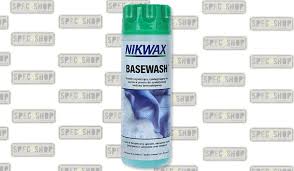
When will trusty Nikwax redesign its bottle caps?


Base Wash holds up to competitors and Base Fresh is by far the best deoderizer in its class. I'm fussy about my laundry and I love this stuff.

But it's impossible to measure detergent from the cap, as directed, without residue leaking all over when you try to screw it back on the bottle.

Almost all Nikwax products suffer from this problem. Maybe you'll have better luck than I in convincing the company to rethink their package design. Or else stick to their sandal wash, where there's only scrubbing to do, no pouring.

Your travel mates will thank you.


Saturday, January 10, 2015

My AT hike turns 25!

Happy New Year!

The dawn of 2015 over Lake Saint Clair
in my home town of Grosse Pointe, Michigan.
More about this fantastic image and its creator, Mark Graf at grafphoto.com,
here at SuzanneStroh.com. (c) Mark Graf. Used by permission.

2015 will mark the 25th anniversary of my year on the Appalachian Trail.

On my birthday in late April of 1991, my dog Ben and I ate our last home-cooked breakfast, packed our gear at Locust Hill Farm in Leesburg, hitched a ride to Harper's Ferry from Burdette and Suzie Wright, checked in at the Appalachian Trail Conference HQ and set out heading south from the midpoint of the AT. The goal: to walk all 2,184 miles of the white blazed footpath in one season.

It had been a cold winter with big storms, and the ATC volunteers told me that the word from the near-starved northbound hikers was that lots of people had dropped out since taking their first steps on the AT at Springer Mountain, Georgia.

My first hump up the hill was hell in an overweighted pack, and all I remember about those first few days was a hundred blowdowns that it took hours to get under, over and around. The going was slow from the start. Fifteen miles and 6,000 feet of climbing was a big day for me back then under those 50 lb. pack weights. I don't think I met anyone in my first two weeks on the trail, similar to the tale told by The Kitchen Sink Couple. It rained 25 days in a row for the next 500 miles. Virginia was a slog. Even with Ben for company--always hilarious--I had trouble getting up and getting motivated in the morning. But I stuck to it.

Along the way, I met and read logbook entries of northbounders whom I keep track of and caught up with, later, at the base of their journey's end atop Mt. Katahdin in Baxter State Park, Maine.

I interviewed them for the film I was making, climbed Katahdin with them, then kept walking south.

Suzanne and trail dog Ben at Trail Days 1991.
Your hair grows two shades darker
under the big green canopy for months at a time.

By Thanksgiving, Ben and I had accomplished all but a few hundred miles of the AT. I got off the trail in Vermont, took a break, and completed the journey (re-covering much of the territory) in 1992.

Imagine my surprise on Christmas day when one of my thru-hiking pals, trail name weathercarrot, posted the 1992 documentary I made of that trek here on YouTube.

Most of the articulate, insightful people you meet and see in this video--like photographer Dave Fleischman and weathercarrot, whose stunning AT and PCT photography projects include this history of ALDHA, the Appalachian Long Distance Hikers Association and "yearbook" videos for thru-hikers that span every section of the Pacific Crest Trail--have since gone on to bigger and better long-distance hikes; long term commitments to selfless service as trail maintainers; and satisfying artistic careers as nature photographers. It is with real humility that I share their work and their stories with you now, because the amateurish quality of my own work (all still images!) will definitely strike you as low-tech.

Back in 1991, our heavy analog camera equipment probably took up two or three liters of space in our packs! And it weighted a ton. Our music players played cassette tapes. Short of a National Geographic production, there was no way to bring a film crew along on your thru hike. Still photography, sketches, words on paper, and the occasional voice recordings made when a sound recordist could meet us in a shelter near a trailhead...these things were all we had to make artistic sense of our adventures.

Thanks, weathercarrot, for the most thoughtful Christmas present ever. Without your patience and persistence, people would not be able to share our story.

Trail Days 1992 with Suzanne selling copies of Bill Irwin's "Blind Courage"
and STI tapes from her car in Damascus, VA. Photo: weathercarrot.

Sometime after Trail Days in 1992, my distributor's barn caught fire in Vermont, destroying every VHS copy I didn't have on hand. I never bothered to transfer the 3/4 inch master tape to DVD, because by then, the music rights had long run out under the terms of the very generous permissions I had been granted to produce the project as a not-for-profit work of art.

Trail Days 1992. Photo: weathercarrot.

A few years ago, I was contacted by some folks who wanted a copy for a hikers hostel in Pennsylvania. It was a flattering request, and today I am even more flattered to see that STICKING TO IT still seems to warm a few wild hearts.

I hope to have more for you from the AT class of '91 in the months to come. What did I read? you wonder. Possession by A.S. Byatt, word by gorgeous addictive word, using yesterday's devoured pages for today's loo paper as I went along. What did Ben eat? Mostly my supper, supplemented by the doggy GU of the day, liver powder in his water bowl, courtesy of an eccentric Virginia dogsledder (???) who ran a place called The Sled Dog Store, as I recall, which supplied us out of Roanoke. On the seven months that Ben and I slept together that year, he clearly became much more like a person (very courteously waiting before he ate the remains of my supper) and I think I became a bit more like a dog. Which I've never regretted for a moment. Amore!

I wish you a happy new year, with white blazes as far as you can see. Follow your bliss.

Trail Days 1991. Photo: weathercarrrot.


Friday, August 8, 2014

Post trip

Creative use of the hotel room balcony
After a few days powering down the spectacular Minong ridge on Isle Royale, I'm resting and refueling at Lake Bemidji, the headwaters of the Mississippi, grateful for everything in my pack (especially my trekking poles, critical on that quarter mile, one-plank "river crossing").

I hope the NPS will find time to recheck the mileage along that route. I met only eight people in three days along a thirty-plus mile footpath, all of them seasoned, and we all agreed that every mile felt like two--and very likely was closer to one and a half.

So much of the rocky, root-studded trail is hidden by armpit-high foliage this time of year that the hike turned into 38 miles of one deliberate step after another. The section where the ridge is exposed and slabby, between Little Todd Harbor junction and Lake Desor, would be unsafe (if even passible) when wet or foggy. Take heed and pack extra food for the rest day it would take to dry the rock or for the marine layer to lift.

Josh Knox and I admiring the view across Lake Superior to the Sleeping Giant

Don't forget to write up your trip report. After recording the weather, the route conditions, what was in flower and what was ripe enough to eat along the way (blueberries and raspberries were everywhere around me but alas, unripe), jot down what you needed (extra fuel and mosquito repellent!) and what you could have left behind (power brick for my iPhone). Take time to alert the rangers to any issues along your route. Your post trip checklist should also include a full day for laundry and air-drying a clean tent.

Don't let wet, dirty gear languish in hot cars where condensation can contribute to mold growth.

Once you get home, check to see if anything needs repair before shelving it.

See you out there next time. 

Signing off with the sunset view (minus the symphony of loon calls) of Todd Harbor, one of the loveliest nights I've spent in a tent in years. It's got everything a girl needs including a dock! 

Seaplane, anyone?

Group Site 1 at Todd Harbor has level tent platforms, a dock for your seaplane and your morning dip, a picnic table, this view at cocktail hour and a fire ring for tall tales, wolf songs and northern lights after dark.


Tuesday, July 8, 2014

Prius power

Adore your Prius and its 50-plus MPG?  This setup schleps extra gear on long trips with very little impact on your daily fuel efficiency. Just take the cargo basket off when you don't need it. And get out there!